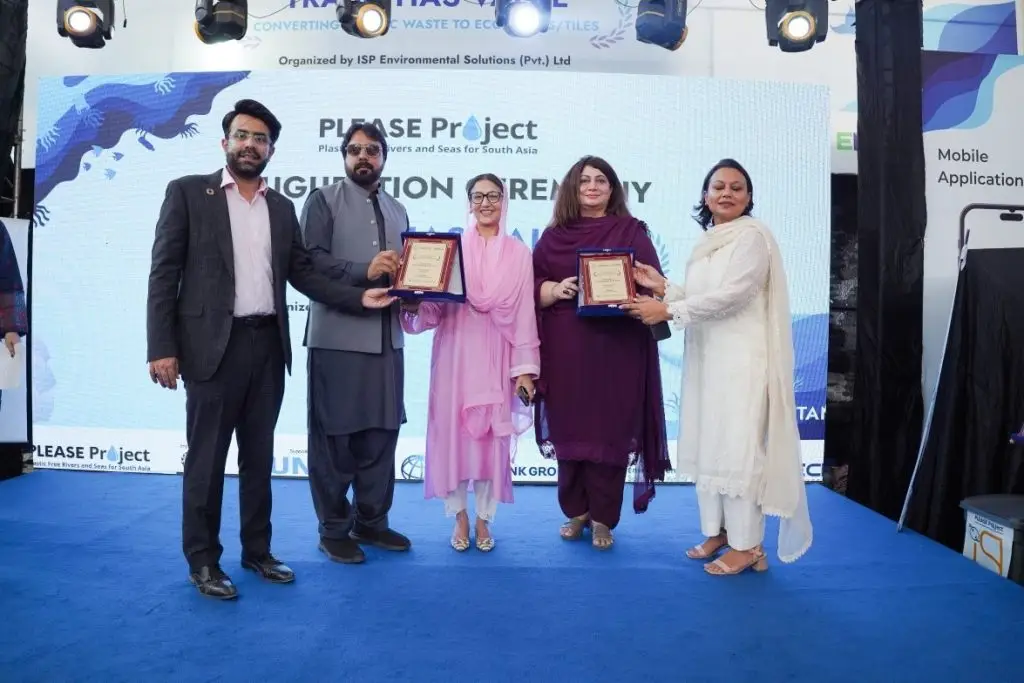
Trash has Value Recycling plastic waste to Eco green Tiles/Bricks (PLEASE)
Project (launched by SACEP and supported by World Bank and UNOPS)
Project Overview
The “Trash Has Value: Recycling Plastic Waste into Eco-Green Tiles/Bricks (PLEASE Project)” is a regional initiative launched by the South Asia Cooperative Environment Programme (SACEP) with support from UNOPS and the World Bank, and implemented in Lahore, Pakistan, by Entertech Labs (Private) Limited. The project aims to combat plastic pollution by reducing plastic leakage into rivers and oceans while promoting a circular economy approach.
The menace of plastic waste that pollutes land, flows into river systems, and ultimately into oceans poses national, regional, and global threats to development. The qualities that make plastic useful, lightness, durability, strength, versatility, and low production costs, have resulted in fast-growing demand, but mismanaged plastic waste has also created a mounting global ocean pollution crisis. The fifteenth meeting of the Governing Council of SACEP, held on 06th November 2019 in Dhaka, Bangladesh, endorsed SACEP’s collaboration with the World Bank and its development partners to formulate and implement a regional project on plastic-free Rivers and Seas for South Asia, involving SACEP as an implementing agency for the benefit of the South Asian Region. The Project Development Objective (PDO) of the Plastic-Free Rivers and Seas for South Asia (PRS) project is to catalyze actions that reduce the flow of plastic pollution into South Asian Seas. The project consists of four main components, totalling US$40 million from IDA, to be implemented over five years across all eight Asian countries.
Project Objectives
The objectives of the project are clear and well defined, thus marking the thorough research of the problem and market opportunity of the solution being devised:
- Advocacy, mobilization, and capacity building for preserving life below water.
- Installing a reverse vending machine linked to a reward app (Sustainable Savings- Trash to Cash) and effectively collecting plastic waste adjacent to the Ravi River will establish a circular economy approach.
- Responsible Consumption and production by redesigning plastic waste for innovative infrastructure.
- Partnership for actions on plastic-free rivers and seas.
Key components of our implementation included:
Hotspot Mapping & Waste Audits
Identifying plastic leakage points across urban areas for targeted intervention.
Eco-Product Development
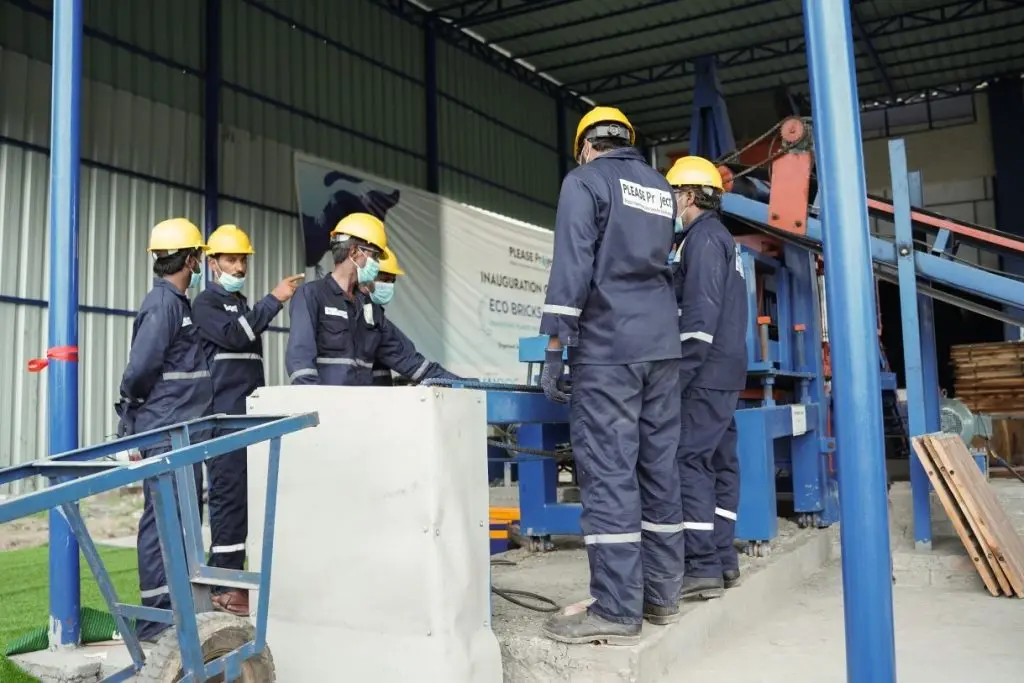
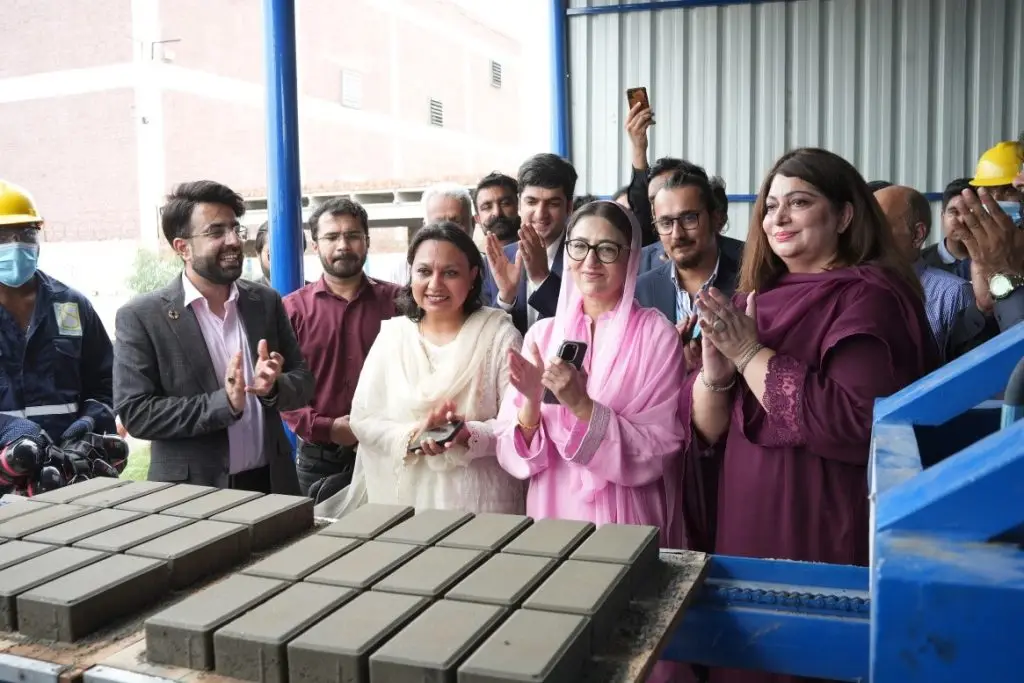
Designing and manufacturing upcycled construction materials, including eco-bricks, tiles, and plastic pellets.
Reverse Vending Machine (RVM) System
Deploying RVMs integrated with a mobile application to incentivize plastic collection through a reward-based system.
Community Engagement & Capacity Building
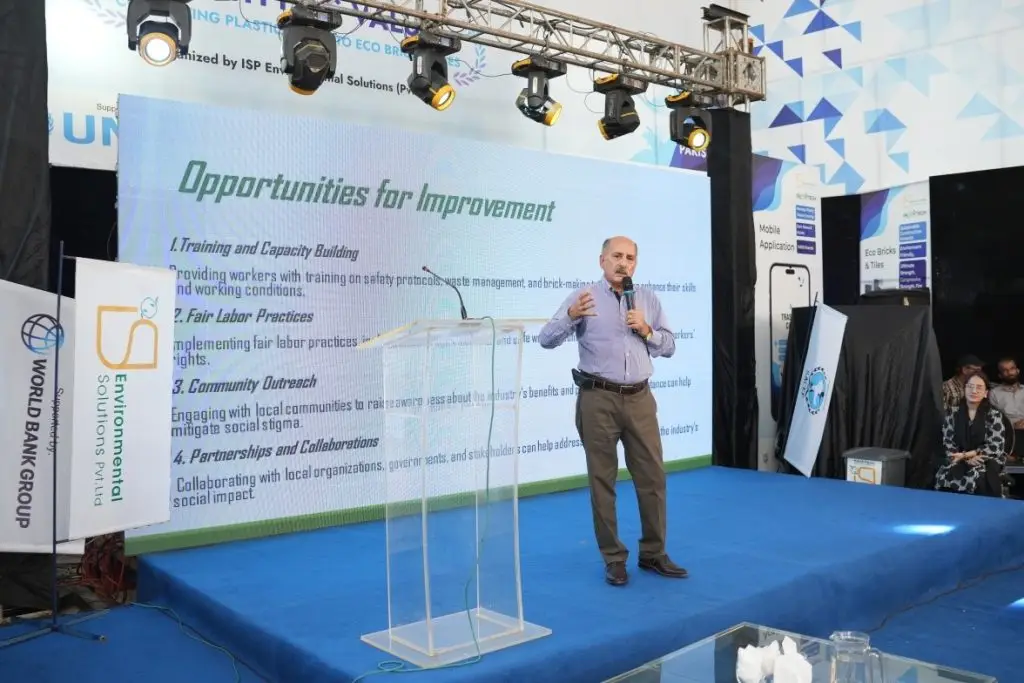
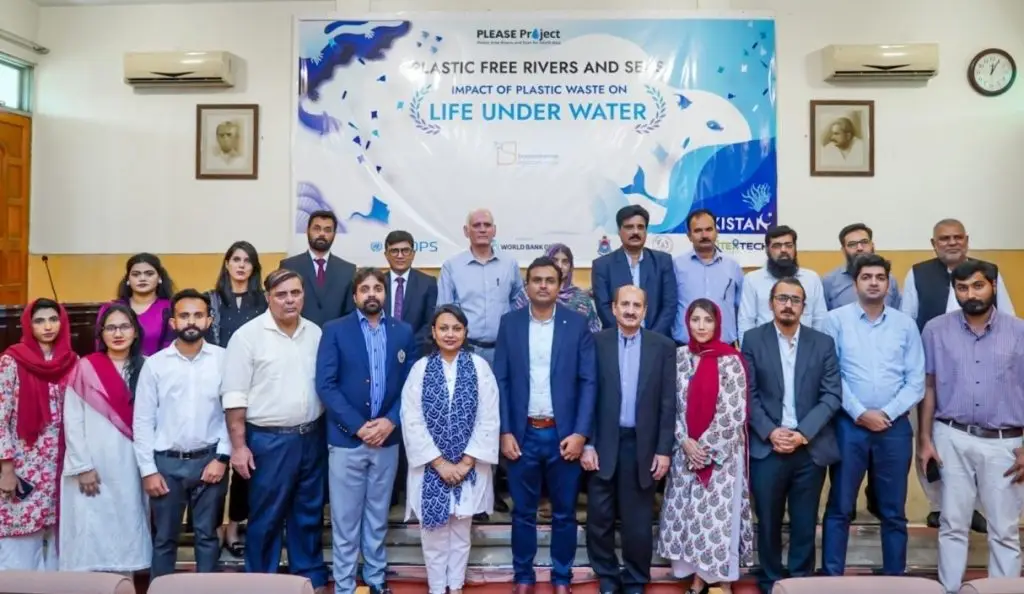
Conducting awareness campaigns, school and university outreach, and women-led training programs to build local ownership and skills.
Partnerships & Value Chain Strengthening
Collaborating with recyclers, NGOs, informal waste workers, and local authorities to ensure long-term scalability and inclusion.
Project Gallery