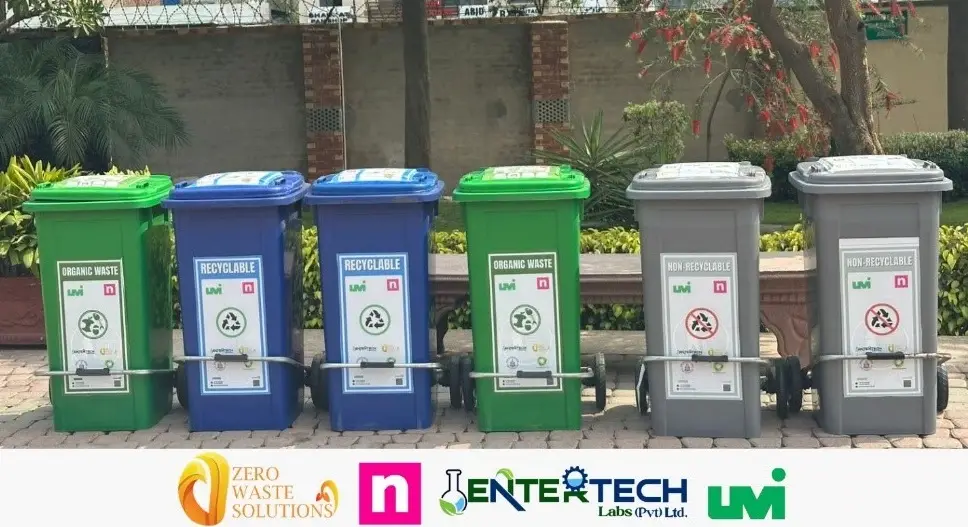
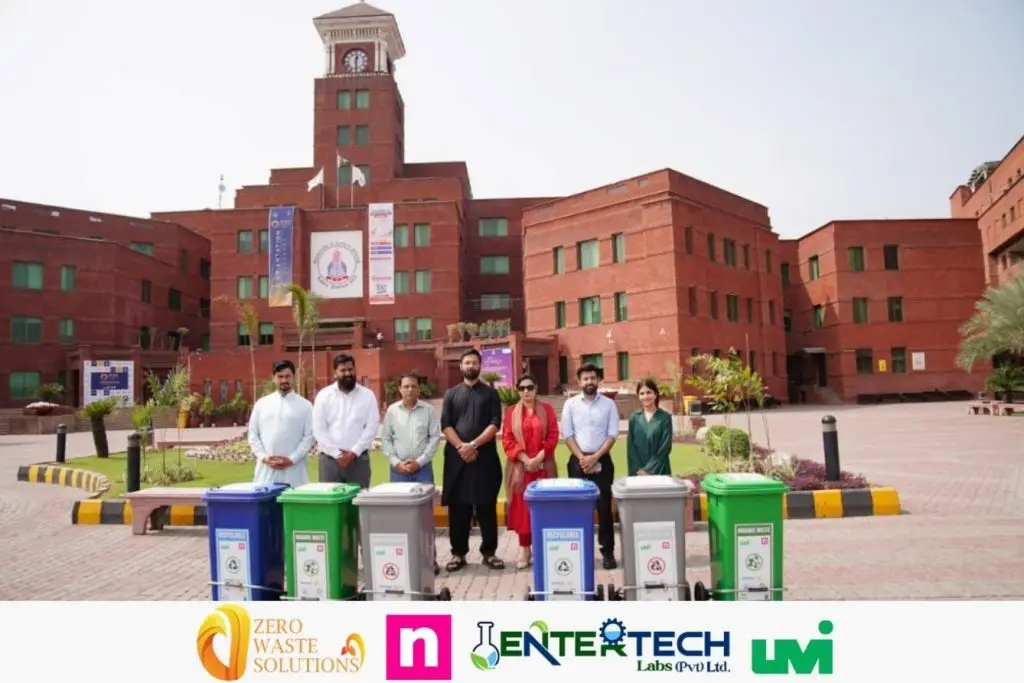
Youth Call for organics waste management and informal waste workers' rights (continue)
Project Overview
The Youth Call for Organics Waste Management and Informal Waste Workers’ Rights initiative is a community-driven project focused on addressing organic waste challenges while promoting the rights and inclusion of informal waste workers. Through targeted funding, the project aims to establish sustainable, community-owned composting systems that reduce waste going to dumpsites and create meaningful livelihood opportunities.
Project Objective
- Promote sustainable organic waste management by establishing community-based composting hubs to reduce landfill waste and methane emissions.
- Empower informal waste workers by providing training, safety equipment, and leadership roles as compost managers, ensuring dignity, inclusion, and fair recognition.
- Encourage waste segregation at source by mobilizing households, vendors, and institutions through youth-led awareness campaigns.
- Strengthen youth leadership in climate action by engaging young people as volunteers, advocates, and drivers of zero-waste solutions.
- Build community-driven circular economy models where organic waste is transformed into compost for local use in agriculture, gardening, and green spaces.
- Raise awareness on environmental and social justice by shifting narratives toward sustainable alternatives like composting while advocating for the rights of informal waste workers.
- Create a scalable and replicable zero-waste model that can be expanded to other communities and cities.
Key Components
The project will train and empower informal waste workers to take on leadership roles as compost managers, ensuring fair recognition and dignity for their contributions. A youth-led campaign, “Feed the Soil, Not the Dump,” will be launched to mobilize households, vendors, and schools to adopt waste segregation at source. Additionally, the project will engage communities through storytelling and advocacy, highlighting informal waste workers as environmental champions and promoting composting as a just and sustainable alternative to landfill and waste-to-energy practices.
Project Gallery