Asbestos Handling Training & Monitoring Program – Mangla Power Station
Project Overview
- Build the capacity of workers, engineers, and technical staff in safe asbestos handling and management practices.
- Minimize health risks associated with asbestos exposure during upgradation activities.
- Conduct systematic monitoring to assess airborne asbestos fiber concentrations.
- Identify and mitigate potential exposure risks at critical locations.
- Ensure compliance with national and international environmental and occupational safety standards.
- Strengthen on-site safety culture through awareness and preparedness.
Project Objective
- Promote sustainable organic waste management by establishing community-based composting hubs to reduce landfill waste and methane emissions.
- Empower informal waste workers by providing training, safety equipment, and leadership roles as compost managers, ensuring dignity, inclusion, and fair recognition.
- Encourage waste segregation at source by mobilizing households, vendors, and institutions through youth-led awareness campaigns.
- Strengthen youth leadership in climate action by engaging young people as volunteers, advocates, and drivers of zero-waste solutions.
- Build community-driven circular economy models where organic waste is transformed into compost for local use in agriculture, gardening, and green spaces.
- Raise awareness on environmental and social justice by shifting narratives toward sustainable alternatives like composting while advocating for the rights of informal waste workers.
- Create a scalable and replicable zero-waste model that can be expanded to other communities and cities.
Key Components
- Asbestos Handling Training
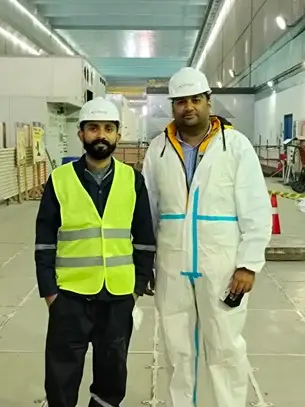
The training program was designed to equip workers, engineers, and technical staff with essential knowledge and safe work practices for asbestos management during renovation and maintenance activities.
Core Training Topics:
- Introduction to Asbestos and Its Applications
- Health Hazards and Exposure Risks
- Identification and Risk Assessment hub
- Safe Handling and Removal Techniques
- Personal Protective Equipment (PPE) Use
Emergency Response and Waste Disposal Guidelines
This capacity-building initiative helped ensure that all relevant personnel were aware of the dangers of asbestos and trained to work in accordance with national and international safety standards.
- Asbestos Monitoring
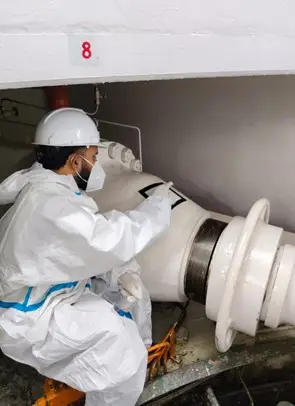
In parallel, ENTERTECH conducted asbestos fiber monitoring at critical locations within the power station. The monitoring aimed to:
- Assess airborne asbestos concentration
- Identify potential exposure risks
- Ensure compliance with environmental and occupational safety regulations
Sampling and analysis were carried out using standardized methodologies, with findings reported to both site management and regulatory bodies for action and compliance.
Project Gallery