A project by Entertech Labs
Stakeholder Consultations on Marine Litter Actions in Pakistan Under Plastic Free Rivers and Seas for South Asia (PLEASE) Project
Implemented by
Supported by
Launched by
Project Overview
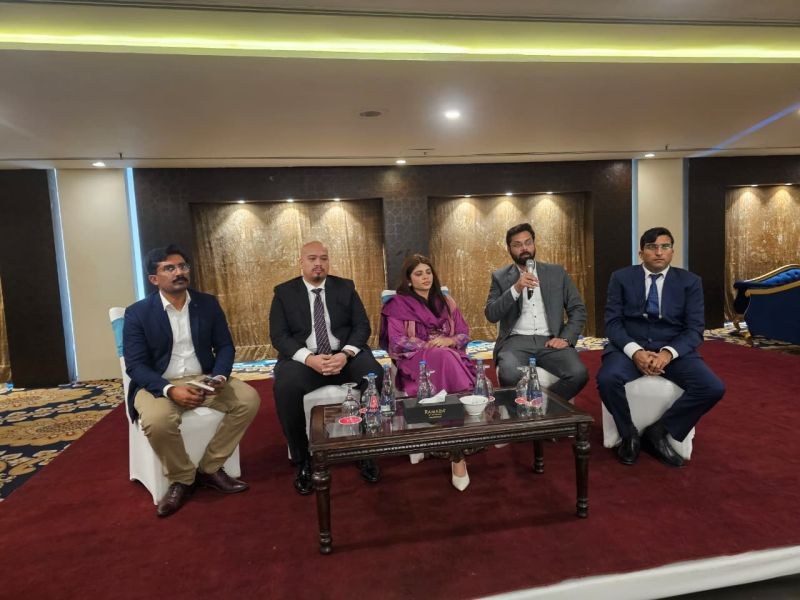
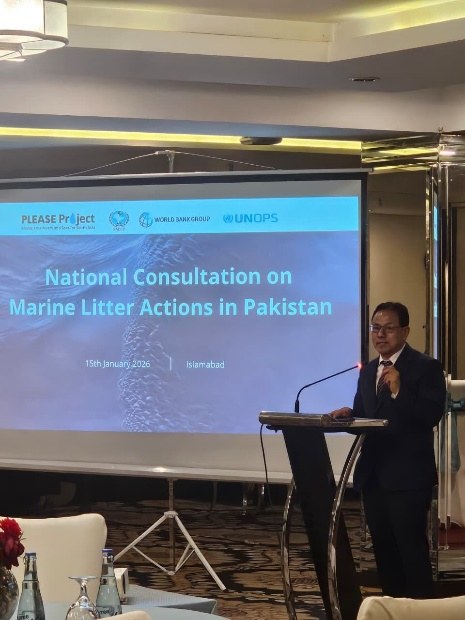
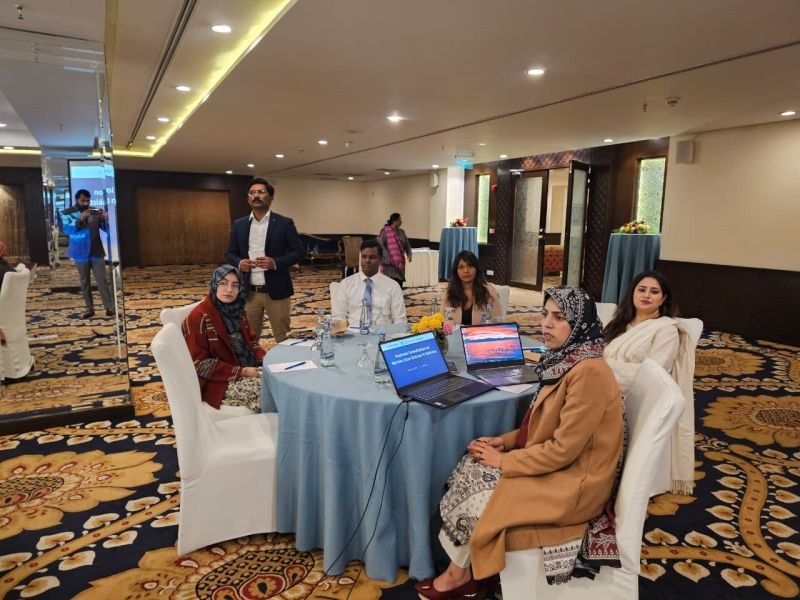
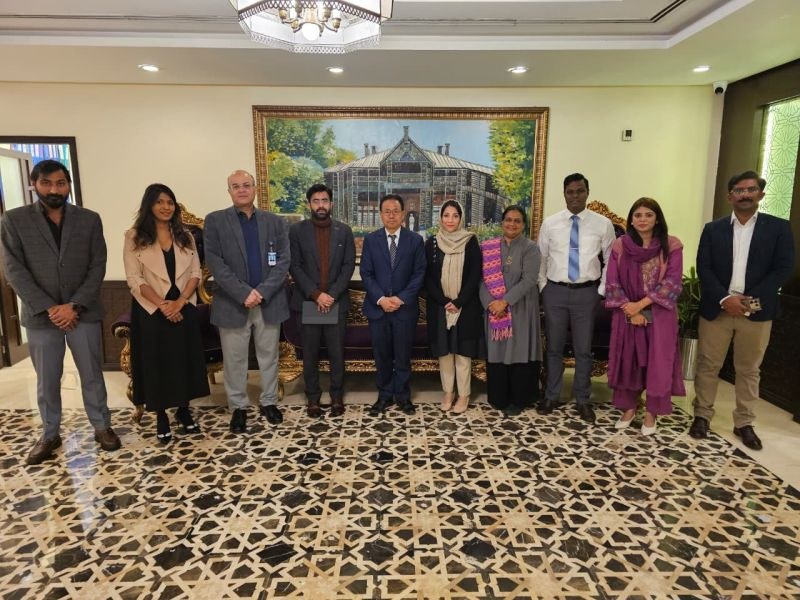
The PLEASE Project has driven transformative progress by tackling land-based plastic leakage along the river-to-sea continuum in Pakistan. Through detailed snapshot assessments quantifying plastic pollution across Karachi’s coastal areas and Lahore’s riverine systems, a community consultation in Karachi featuring fishermen, the Pakistan Fisher Forums, youth groups, women, informal waste pickers, and civil society, and a multi-stakeholder national consultation in Islamabad convening federal and provincial ministries, EPAs, municipal authorities, NGOs/CBOs, academia, private sectors, and industry leaders, the project successfully mapped critical waste pathways and pollution densities. Furthermore, these rigorous assessments and inclusive dialogues, alongside innovative pilot interventions like recycled-plastic drain covers, refill stations, and reverse vending machines, fostered robust cross-sector collaboration, empowering local communities, fishermen, and institutional stakeholders to champion sustainable circular economy practices.

01
Snapshot assessments
Quantifying plastic pollution across Karachi’s coastal areas and Lahore’s riverine systems.
02
Community consultation, Karachi
Fishermen, the Pakistan Fisher Forums, youth groups, women, informal waste pickers, and civil society.
03
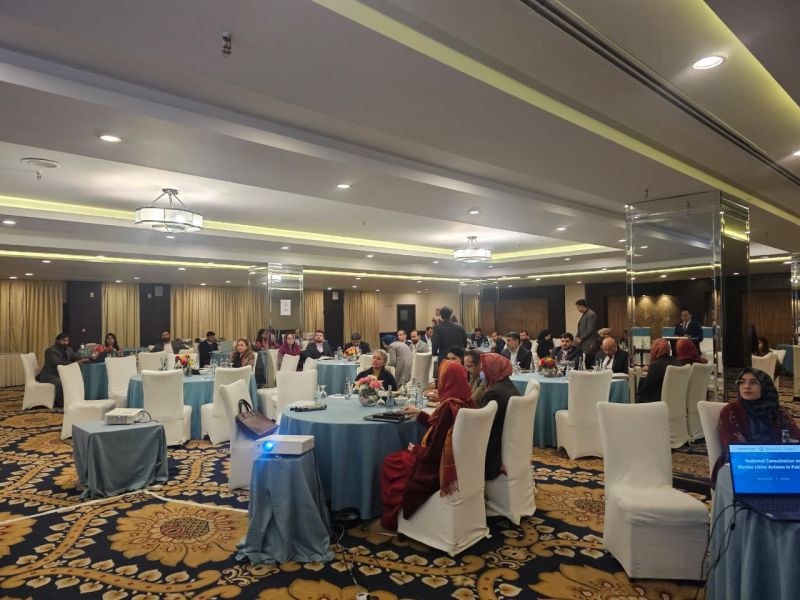
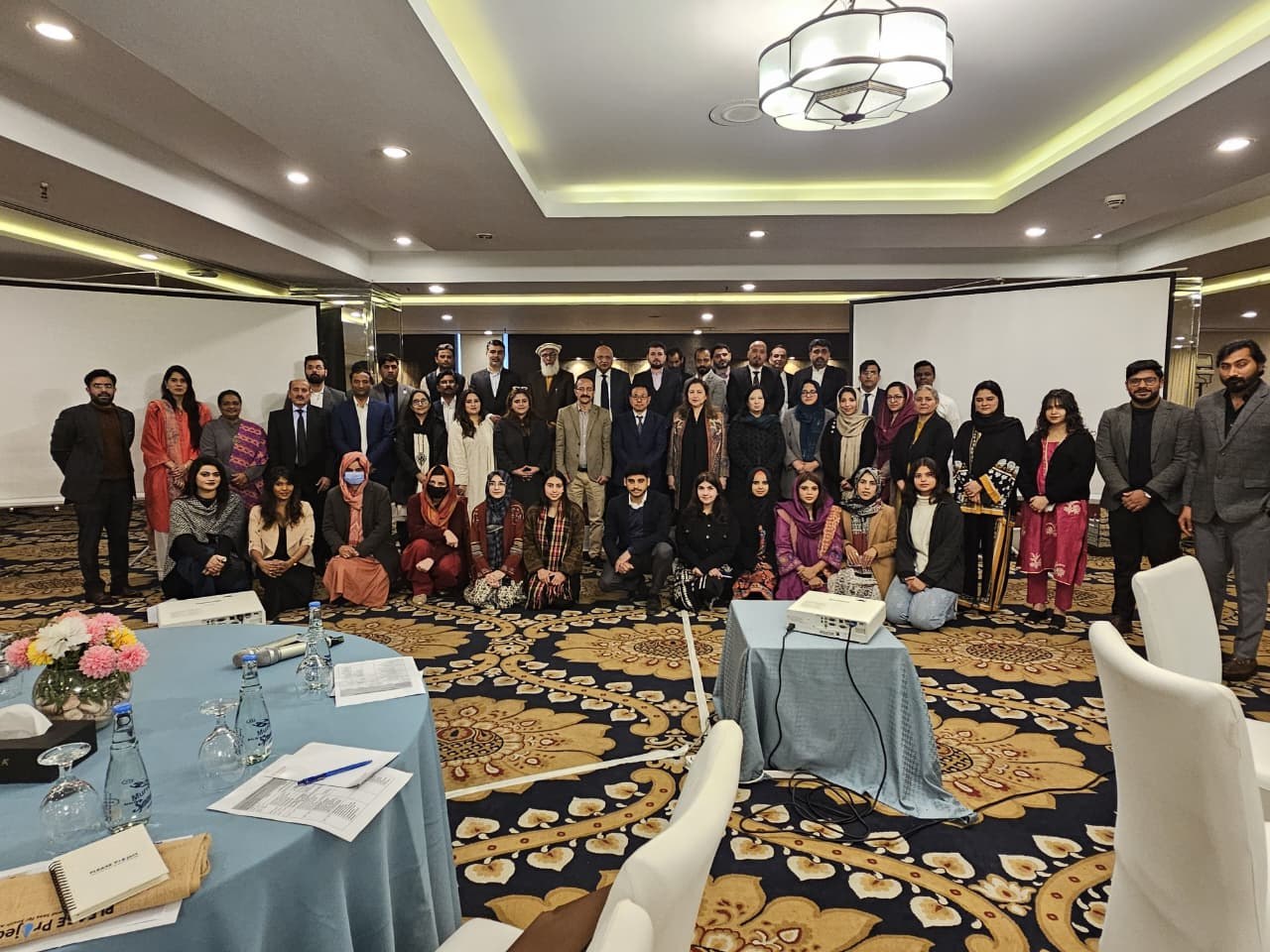
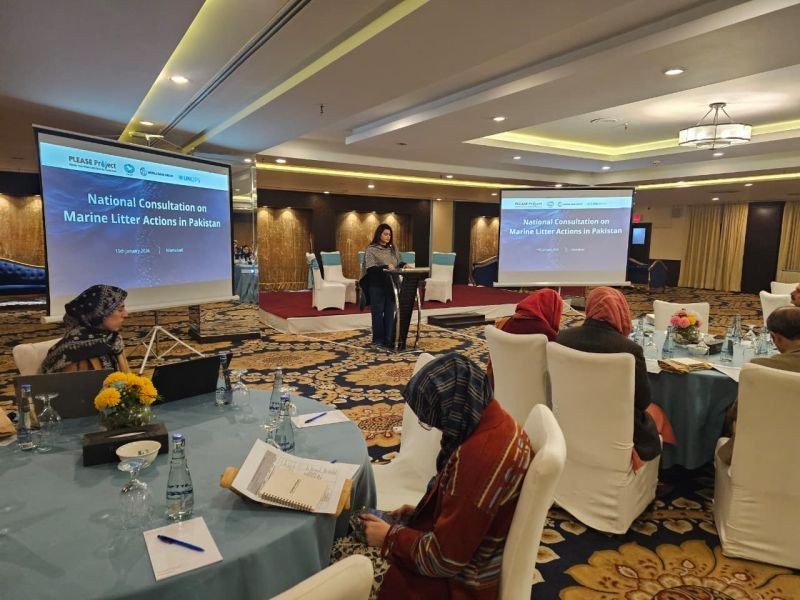
National consultation, Islamabad
Federal and provincial ministries, EPAs, municipal authorities, NGOs/CBOs, academia, private sectors, and industry leaders.
04
Pilot interventions
Recycled-plastic drain covers, refill stations, and reverse vending machines.
Project Outcome
The PLEASE Project has driven transformative progress by tackling land-based plastic leakage along the river-to-sea continuum in Pakistan. Through detailed snapshot assessments quantifying plastic pollution across Lahore’s riverine systems—covering a ~109 km stretch from Wagah Border to Nankana Sahib focusing on the Ravi River corridor (including Main Ravi Bridge, Park View backside, Old Ravi Bridge side, Saggian Bridge, Ravi Road corridor, and adjacent drainage outfalls and settlements)—and Karachi’s coastal areas—covering a 37.2 km coastal stretch and 4.51 km of the Lyari Expressway across inland communities (Agra Taj, Maripur, Hingorabad, Bihar Colony, Shershah, Gulbai, Dhobi Ghat, Garden East), coastal hotspots (Clifton, DHA Phases 01–08), and industrial/creek-linked areas (Malir, Korangi, Bin Qasim Town)—the project successfully mapped critical waste pathways and pollution densities. Furthermore, this was supported by a community consultation in Karachi featuring approximately 50 participants across ages 20–75 (58% male and 42% female) alongside fishermen, the Pakistan Fisher Forums, youth groups, women, informal waste pickers, and civil society, as well as a multi-stakeholder national consultation in Islamabad convening nearly 70 participants (57% male and 43% women) across federal and provincial ministries, EPAs, municipal authorities, NGOs/CBOs, academia, private sectors, and industry leaders. These rigorous assessments and inclusive dialogues, alongside innovative pilot interventions like recycled-plastic drain covers, refill stations, and reverse vending machines, fostered robust cross-sector collaboration, empowering local communities, fishermen, and institutional stakeholders to champion sustainable circular economy practices.
Who took part
Karachi community consultation: approximately 50 participants, ages 20–75
Islamabad national consultation: nearly 70 participants
Lahore · Riverine systems
Ravi River corridor
A ~109 km stretch from Wagah Border to Nankana Sahib.
- Main Ravi Bridge
- Park View backside
- Old Ravi Bridge side
- Saggian Bridge
- Ravi Road corridor
- Adjacent drainage outfalls and settlements
Karachi · Coastal areas
Coast, creeks and inland communities
A 37.2 km coastal stretch and 4.51 km of the Lyari Expressway.
Inland communities
- Agra Taj
- Maripur
- Hingorabad
- Bihar Colony
- Shershah
- Gulbai
- Dhobi Ghat
- Garden East
Coastal hotspots
- Clifton
- DHA Phases 01–08
Industrial / creek-linked areas
- Malir
- Korangi
- Bin Qasim Town
Project Objectives
01
Assess the current institutional, regulatory, and policy frameworks for marine litter management in Pakistan.
02
Engage key stakeholders, including communities, government agencies, academia, and the private sector, to identify challenges, gaps, and opportunities.
03
Generate actionable recommendations to support the National Plastic Waste Management Plan.
04
Ensure gender-responsive and participatory consultations that represent vulnerable and coastal communities.
05
Produce comprehensive documentation and analysis to feed into SACEP’s regional marine litter initiatives.
Sustainable Development Goals