A project by Entertech Labs
Youth Call for Organic Waste Management and Informal Waste Workers’ Rights “Feed the Soil, Not the Dump”
Implemented by
Supported by
Administered by
Project Impact
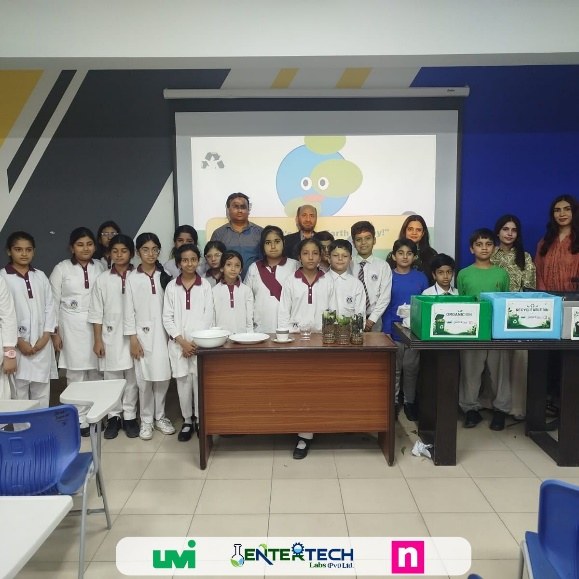
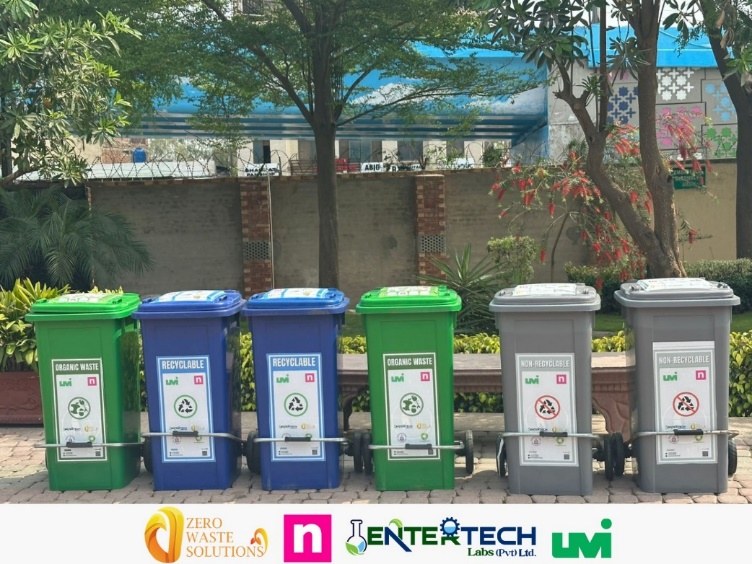
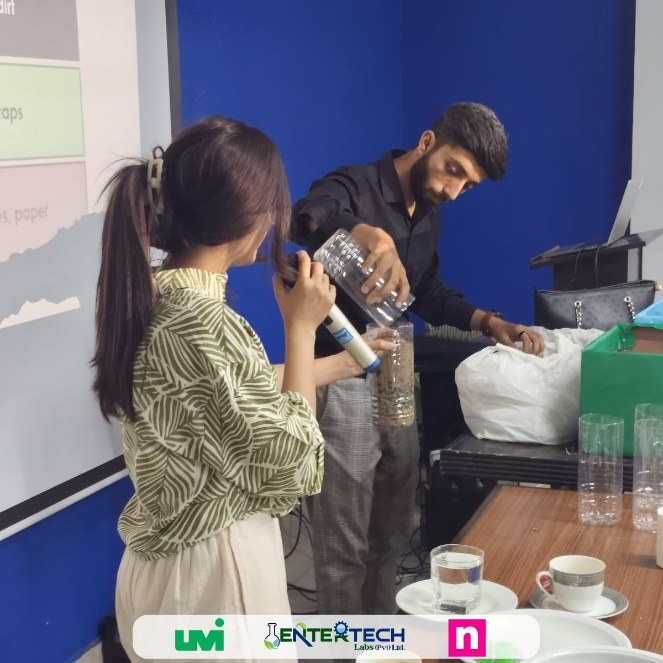
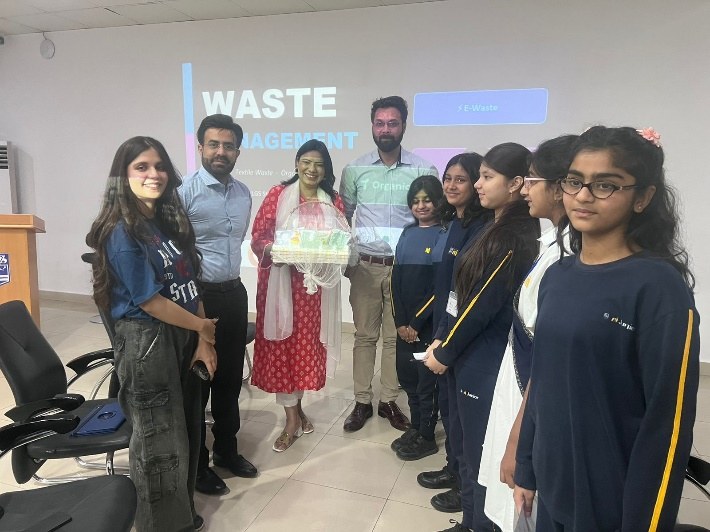
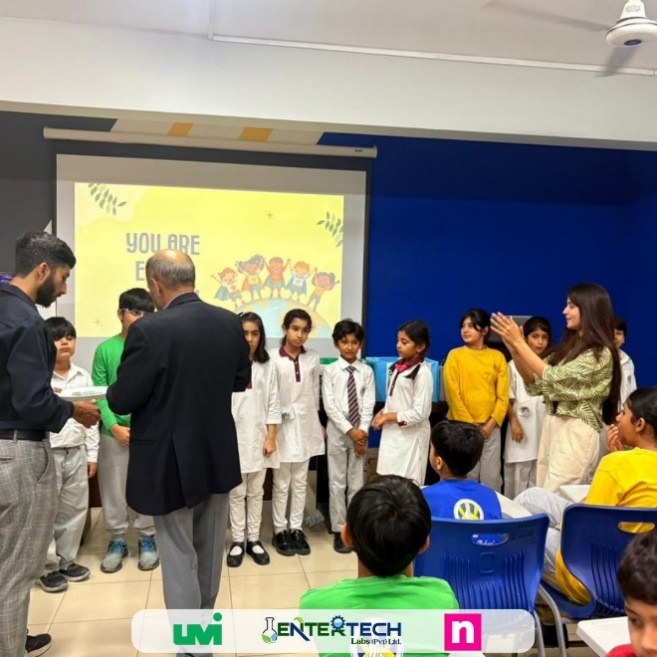
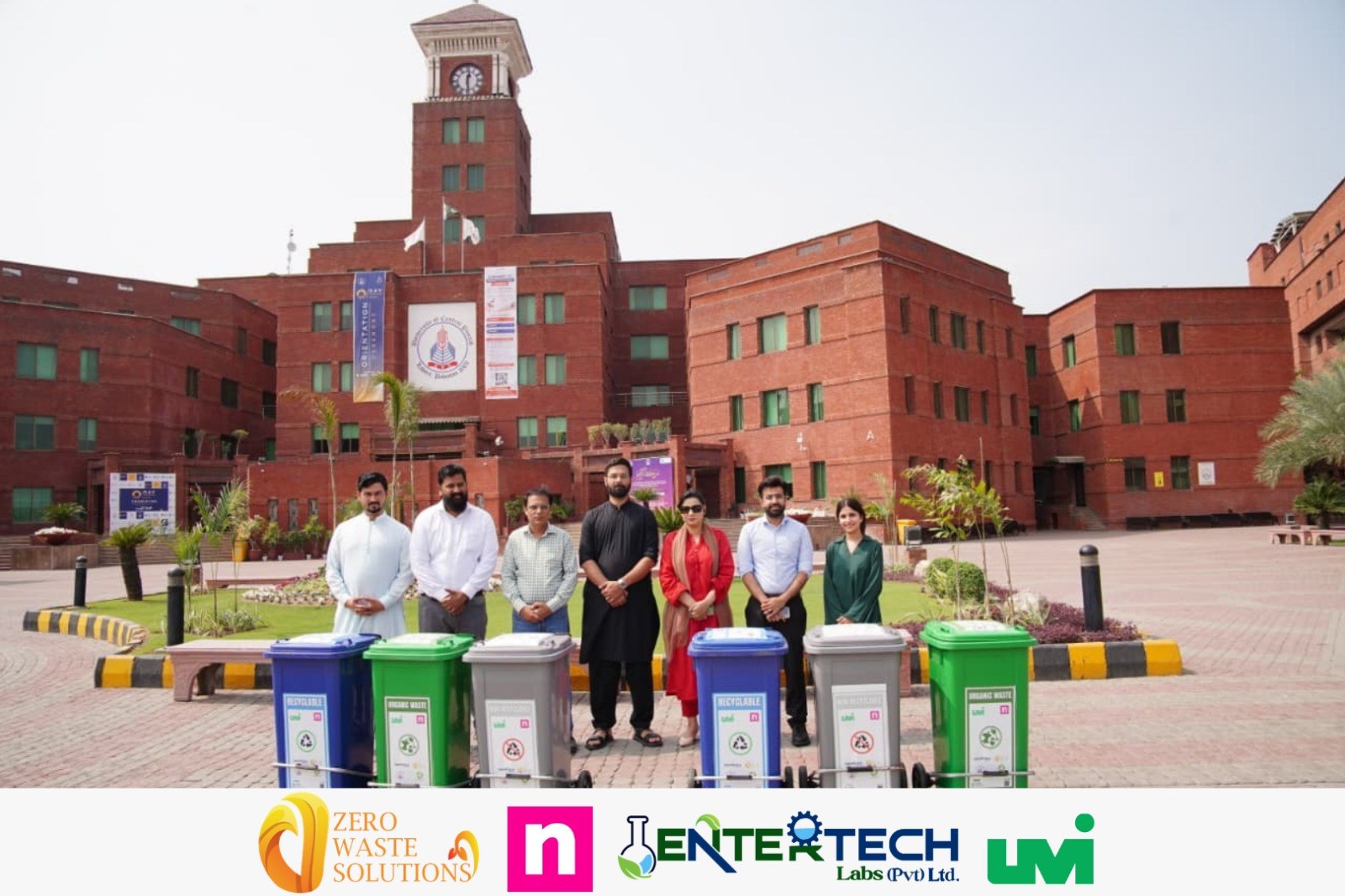
Addressing this challenge, the project reached 900+ students, including 500+ university students) and 400+ school students through environmental awareness sessions, practical waste segregation training, and composting activities. The project engaged informal waste workers to promote their safety, dignity, rights, and inclusion in sustainable waste management. Through organic waste collection, composting demonstrations, a Three-Bin Segregation System, and the installation and demonstration of a mobile organic waste shredder, the initiative showcased practical ways to turn organic waste into valuable compost for plantation and urban greening. Engagement with restaurants and local stakeholders further encouraged organic waste recovery and circular economy practices.

Who we reached
900+ students through awareness sessions, practical training and composting activities.
How students engaged
Environmental awareness sessions
Practical waste segregation training
Composting activities
Practical ways to turn organic waste into valuable compost for plantation and urban greening
Organic waste collection
Composting demonstrations
Three-Bin Segregation System
Installation and demonstration of a mobile organic waste shredder
Informal waste workers
Safety, dignity, rights and inclusion
The project engaged informal waste workers to promote their safety, dignity, rights, and inclusion in sustainable waste management.
- Safety
- Dignity
- Rights
- Inclusion
Circular economy
Restaurants and local stakeholders
Engagement with restaurants and local stakeholders further encouraged organic waste recovery and circular economy practices.
- Restaurants
- Local stakeholders
- Organic waste recovery
Project Objectives
The “Feed the Soil, Not the Dump” project was designed to promote sustainable organic waste management practices while strengthening community awareness, youth engagement, and the inclusion of informal waste workers within the waste management ecosystem. The key objectives of the project were as follows:
01
Set up composting infrastructure (bins, tools, safety gear).
02
Train and empower informal waste workers to lead as compost managers with fair recognition.
03
Run a youth-led campaign (“Feed the Soil, Not the Dump”) to mobilize households, vendors, and schools in waste segregation at source.
04
Engage communities through storytelling and advocacy, highlighting waste workers as environmental champions and raising awareness on composting as a just alternative to landfills and waste-to-energy.
Sustainable Development Goals