Entertech Labs · Technical Expert
Technical Expert – Plastic Action Implementation by UNDP
Led by
Initiative of
Implemented by
Supported by
Project Impact
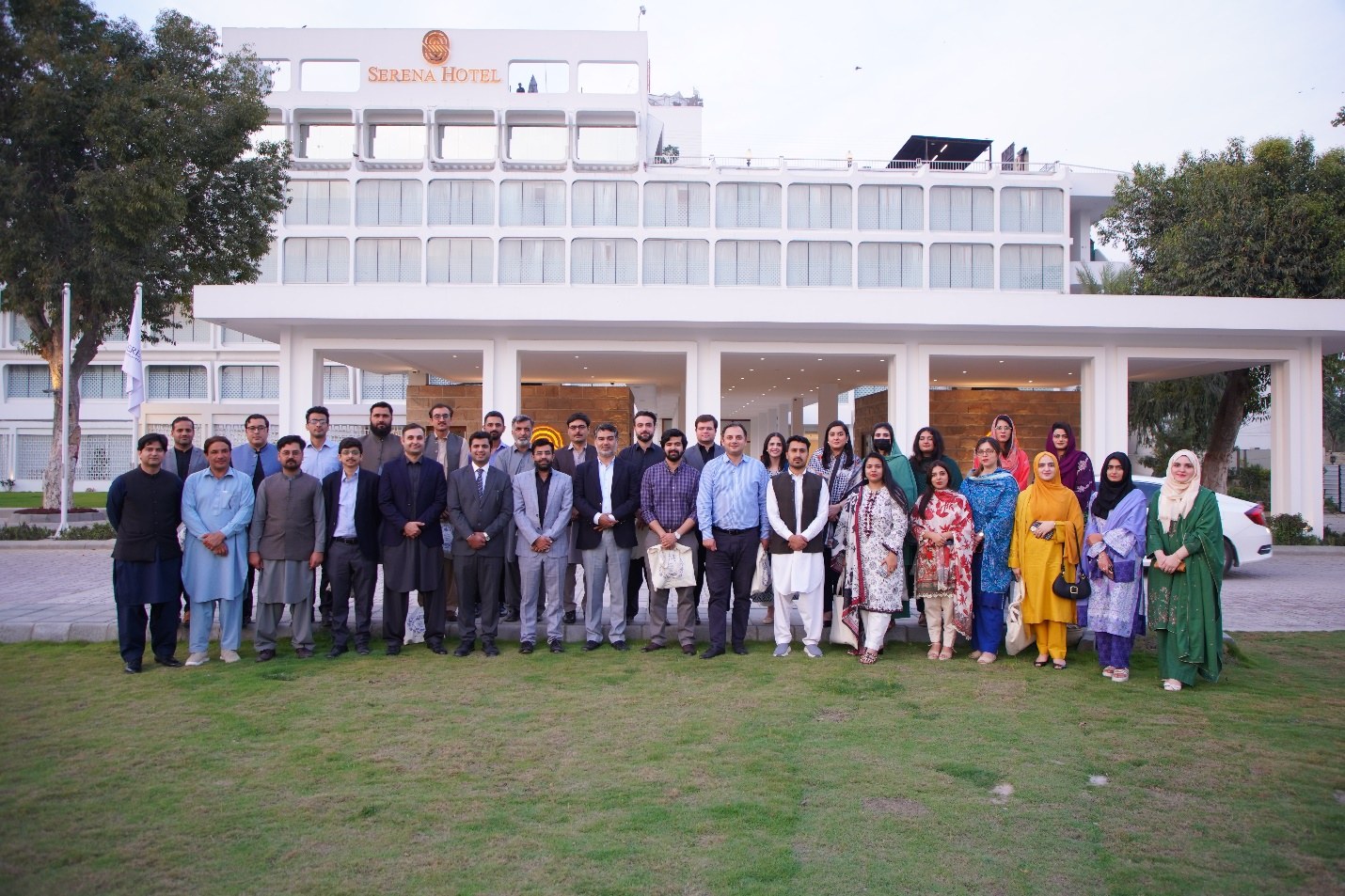
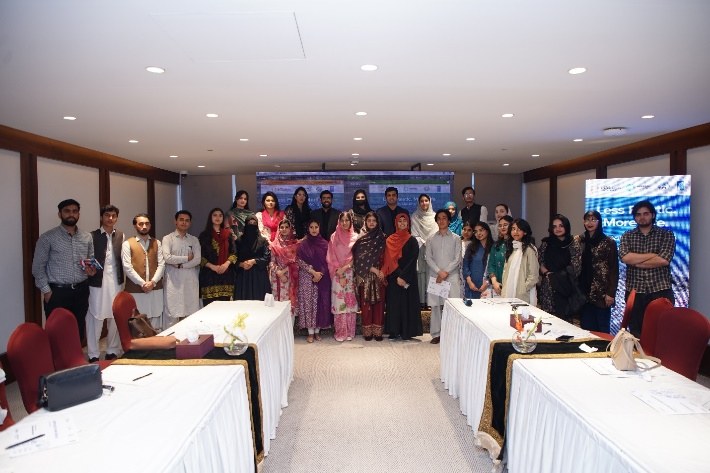
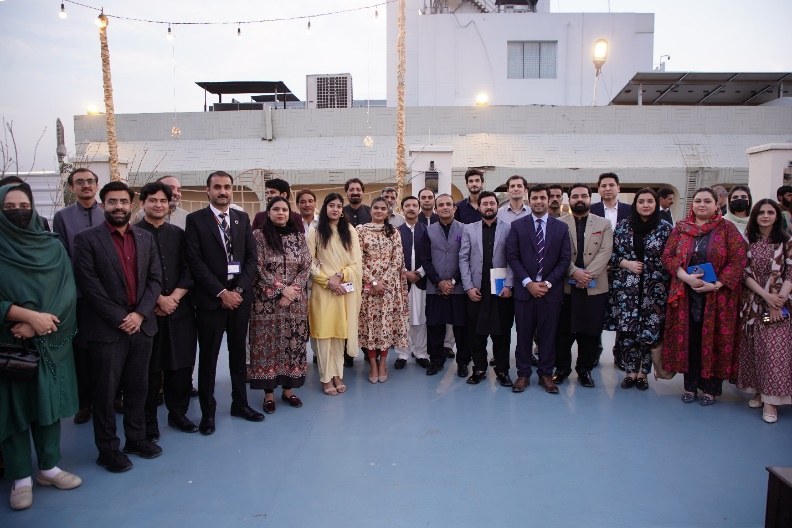
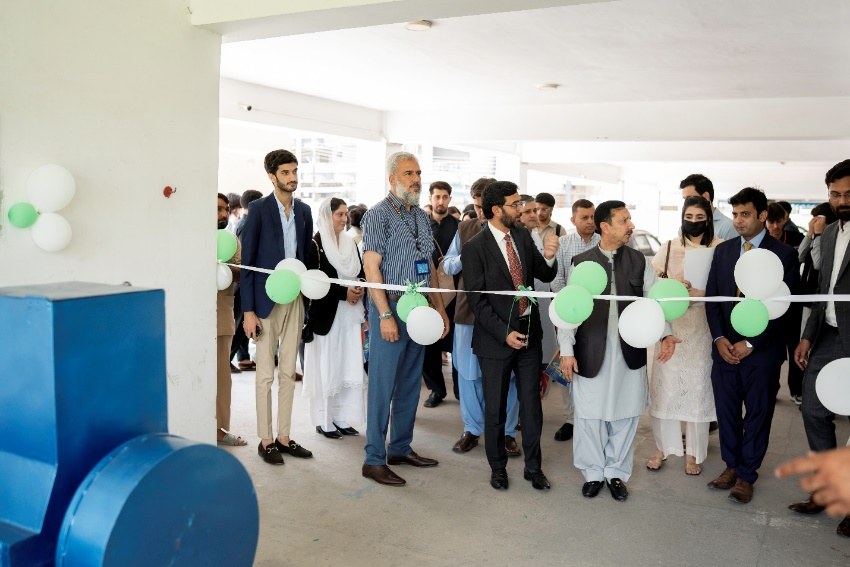
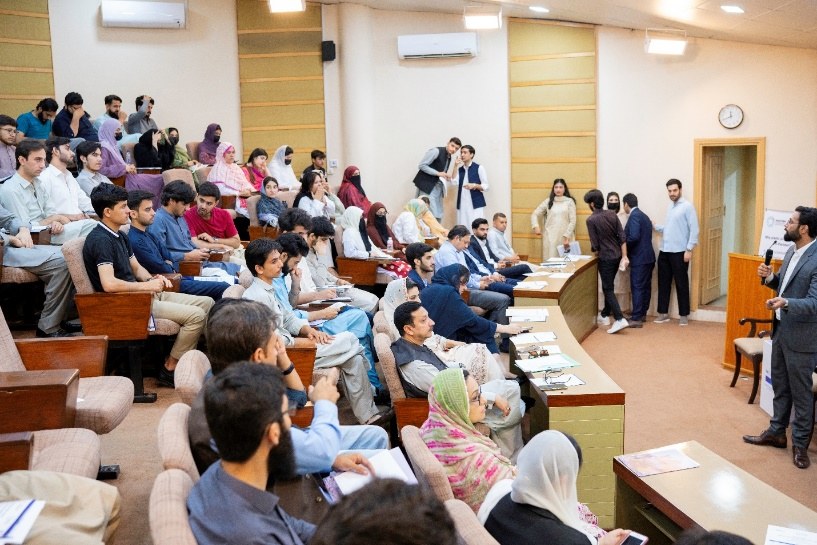
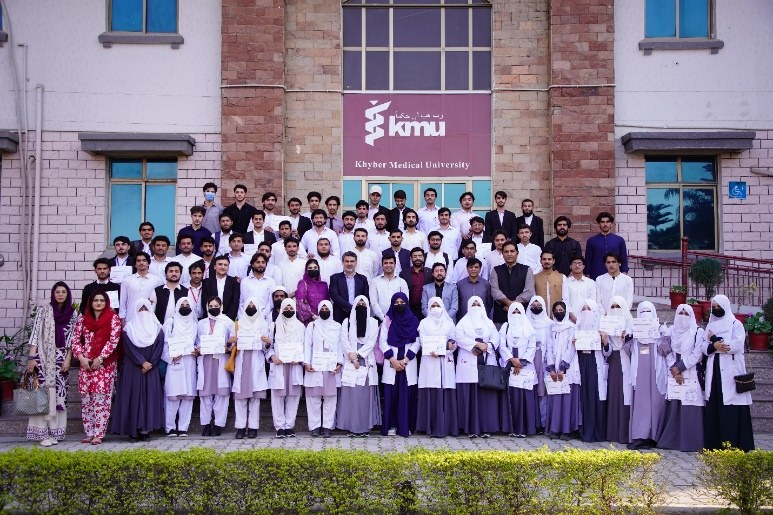
The National Plastic Action Partnership (NPAP) Pakistan project implemented across Peshawar and Hyderabad in collaboration with technical partners like OTIUM and AIMPLAS—has successfully pioneered scalable, community-driven circular economy models by bridging critical policy, infrastructure, and inclusion gaps. Through the launch of the National Plastic Action Roadmap, a complementary Financing Roadmap, and the centralized digital knowledge hub, the project has significantly strengthened multi-stakeholder governance, data traceability, and evidence-based planning. On the ground, the initiative executed a structured, six-day engagement model in each city comprising a 2-day training workshop for MSMEs, a 2-day community consultation for NGOs, CBOs, youth groups, and academia, and a 2-day stakeholder consultation convening government bodies, EPAs, NGOs, and the private sector. Furthermore, the project delivered targeted operational support to key enterprises (GRICKS in Peshawar and ALTAS Pakistan in Hyderabad), installed 50 three-bin waste segregation systems across institutions, and deployed on-site plastic shredding facilities at universities. By mobilizing youth, integrating informal waste workers, and establishing closed-loop recycling pathways, these comprehensive interventions have successfully diverted thousands of tons of plastic waste from landfills and leakage points, fostering a greener, more inclusive, and resilient future for Pakistan.
Peshawar and Hyderabad
Implemented in collaboration with technical partners like OTIUM and AIMPLAS.
Technical partners
- OTIUM
- AIMPLAS
Peshawar
- Operational support to GRICKS
Hyderabad
- Operational support to ALTAS Pakistan
Across institutions
- 50 three-bin waste segregation systems installed
- On-site plastic shredding facilities at universities
Launched: strengthening multi-stakeholder governance, data traceability, and evidence-based planning
National Plastic Action Roadmap
Complementary Financing Roadmap
Centralized digital knowledge hub
The six-day engagement model, delivered in each city
Step 1
2 days
Training workshop
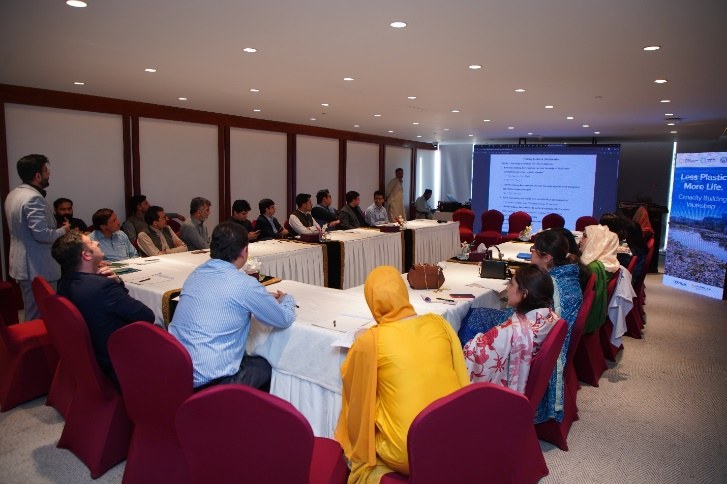
A 2-day training workshop for MSMEs.
Step 2
2 days
Community consultation
A 2-day community consultation for NGOs, CBOs, youth groups, and academia.
Step 3
2 days
Stakeholder consultation
A 2-day stakeholder consultation convening government bodies, EPAs, NGOs, and the private sector.
Fostering a greener, more inclusive, and resilient future for Pakistan
Mobilizing youth
Integrating informal waste workers
Establishing closed-loop recycling pathways
These interventions have successfully diverted thousands of tons of plastic waste from landfills and leakage points.
Project Objectives
01
Strengthen the plastic circularity ecosystem by refining stakeholder mapping and assessing public–private coordination mechanisms, while conducting capacity assessments in Peshawar and Hyderabad to identify value-chain gaps and opportunities.
02
Establish and operationalize a knowledge-sharing and coordination platform in collaboration with the NPAP Secretariat to promote innovation, evidence-based learning, and policy-aligned plastic waste solutions.
03
Support inclusive circular economy enterprises by providing technical and financial assistance to selected MSMEs, with a specific focus on women-led and gender responsive solutions, market linkages, and capacity building initiatives.
04
Advance enabling policy and public engagement through mass awareness and advocacy campaigns, development of costed policy briefs, and proactive identification and mitigation of project risks throughout implementation.
Sustainable Development Goals